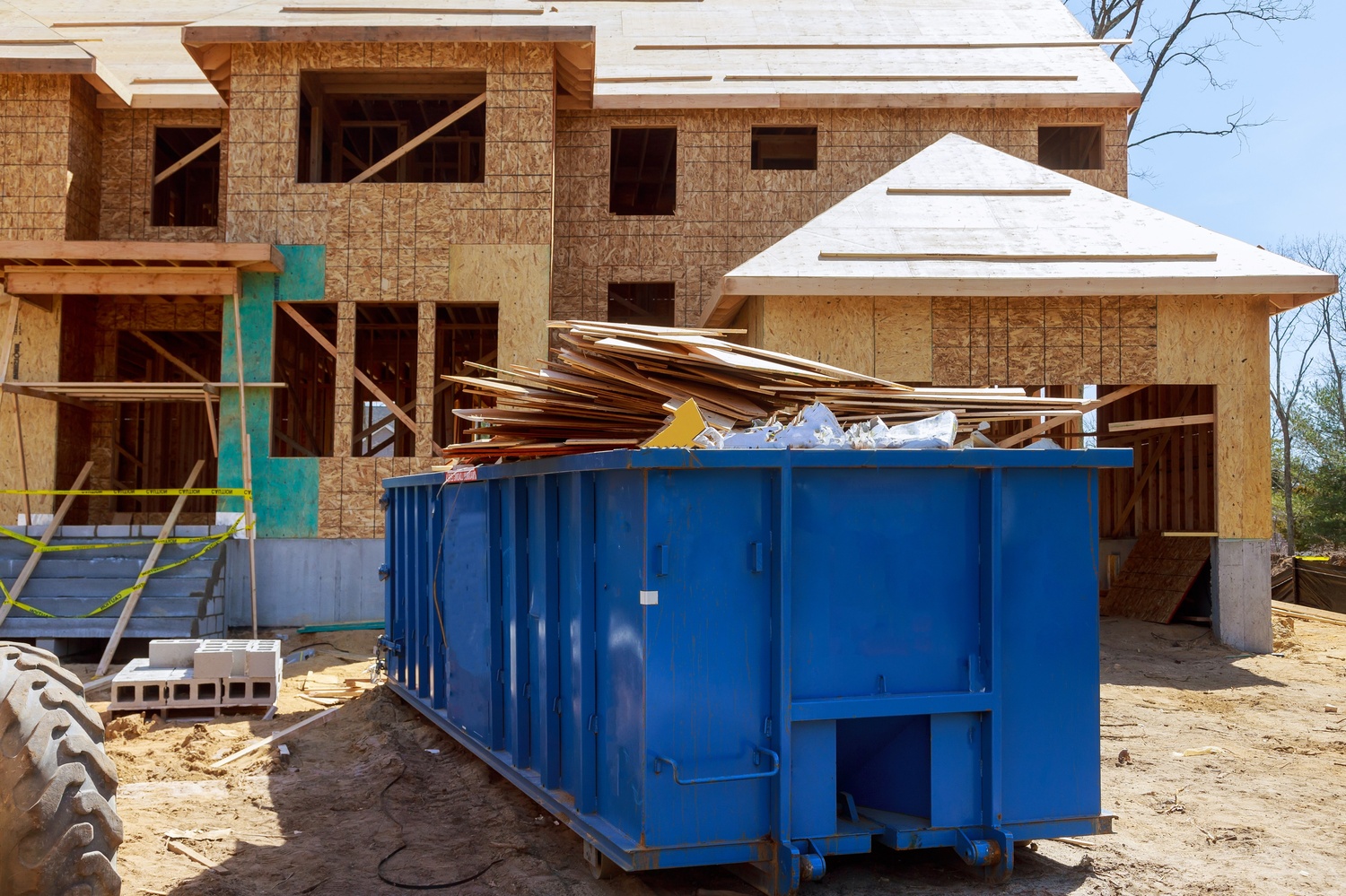
Construction projects create waste in many forms, from demolition rubble to leftover packaging. If that waste piles up without order, crews lose space to work and safety risks rise quickly. A dedicated dumpster placed on site sets a routine for where debris goes and shows inspectors that waste is handled responsibly. When disposal plans are made at the start of a project, cleanup no longer interrupts the actual build.
Site Organization and Early Planning
Many teams start with a construction dumpster rental so crews have one drop point from day one. A centralized container keeps walkways clear, which reduces tripping hazards and leaves more room for equipment to move. Roll-off dumpsters placed near active zones also shorten hauling distance. When debris flows into one predictable location, the site feels more organized and work progresses with fewer interruptions.
Sizing and Capacity Decisions
Dumpster capacity is measured in cubic yards, and that figure becomes the starting point for estimating disposal needs. Demolition debris and packaging waste all add up, so crews match expected volume to the size of the container. Choosing the wrong fit often means wasted trips or idle time while waiting for a swap.
Estimators sometimes convert those cubic yards into pickup loads dimensions to double-check assumptions. Larger boxes that measure several feet wide also help when crews need to dispose of long sheet goods or lumber offcuts. When container size reflects the actual scope of the work, waste moves smoothly off the site without interrupting production.
Scheduling, Delivery, and Coordination
Dumpster use has to match the pace of the project. Rental periods range from short-term agreements that cover a few days to longer schedules tied to multi-phase work. Temporary dumpster rental is often enough for quick demolitions or final cleanup, while larger builds rely on staged swaps that keep containers available through each phase of construction.
Delivery and pickup timing also carry weight. When trucks arrive on schedule, debris does not pile up near work zones, and trades can keep moving without interruption. Some providers coordinate closely with concrete pours or interior finishing, so the container schedule lines up with the tasks that generate the most debris.
Cost Control and Rule Compliance
An overweight container can add hundreds of dollars to a bill, and a blocked access route may lead to charges for an extra trip. These hidden fees often show up on the invoice when planning has overlooked weight limits or site access. Treating them as potential costs during budgeting keeps surprises off the balance sheet.
Compliance brings another layer of responsibility. Hazardous materials need dedicated containers, and inspectors will stop a job if they spot violations. Contractors reduce the risk with straightforward measures such as posting clear signs at the dumpster or giving workers a brief reminder at the start of the day. Direct actions like these connect regulatory requirements to the daily flow of work.
Heavy Debris and Safe Loading Practice
Concrete, masonry, and roofing debris place extra strain on a container, and poor loading can create both safety risks and added costs. Stable ground beneath the box prevents tilting, while ramps or staging platforms give workers firm footing during disposal. A spotter nearby helps keep large pieces under control and avoids damage to equipment or surrounding structures.
Protective gear becomes essential when handling this type of material. Gloves and eye protection cut down the chance of injury, but the bigger safeguard often comes from process: some sites set fixed disposal times so crews move debris in a coordinated block rather than scattering trips throughout the day. Sharp waste such as rebar or glass is better handled in rigid bins designed for that purpose, since those containers reduce the risk of punctures or cuts during hauling.

Recycling, Diversion, and Local Coordination
Landfill space is limited, and many projects now plan disposal with diversion in mind. Mixed waste sometimes contains materials that can be reused, such as metals or sections of untreated lumber. Contractors who line up the right hauler at the start make that process smoother.
Some job sites arrange bulk waste collection for packaging and pallets on set days. Regular pickup stops material from stacking up and frees storage space for ongoing work. It also reduces double handling, which saves labor hours over the life of a project.
Local codes shape what can or cannot be diverted. Project managers confirm accepted materials with haulers or directly with waste disposal facilities before the first load leaves the site. Clear knowledge of these codes avoids rejected bins and adds an element of environmental stewardship without slowing down the schedule.
Conclusion
Construction schedules often succeed or slip on the details that shape daily work. Waste handling is one of those details. A properly chosen dumpster keeps debris under control, prevents costly interruptions, and makes inspections smoother. When waste is managed with the same care as labor and materials, the project runs cleaner and the path to completion stays clear.